Many people want to know if HVAC UV bulbs really work to improve indoor air quality in heating, ventilation, and cooling (HVAC) systems. HVAC UV light bulbs can be highly effective at killing bacteria, viruses, mold, mildew, and fungi when using the right type of germicidal UV bulbs and with the proper installation.
Do HVAC UV Bulbs Really Work?
HVAC UV light bulbsprevent the accumulation of harmful microbes on internal components such as heat transfer coils which are exceptionally vulnerable to contamination due to the dark environment combined with condensation. Using HVAC UV light bulbs helps to improve the condition of mechanical components and reduce necessary maintenance by maintaining clean and disinfected parts free from microbial buildup.
HVAC UV bulbs also improve indoor air quality by disinfecting the air and inactivating mold spores that pass through HVAC ductwork. Ozone lamps in HVAC systems can also reach where direct UV exposure cannot and eliminates volatile organic compounds (VOCs) and foul odors from the air. Using UV bulbs in HVAC systems helps prevent harmful microorganisms from circulating throughout the ductwork in your home or office.
UVC Germicidal Bulbs for HVAC
HVAC UV light bulbs must beUVC germicidal bulbsto provide disinfection effectiveness. Ultraviolet light includes wavelengths in the range of 100 to 400 nm and is divided into three bands:
UVA is the longest wavelengths at 315 to 400 nm
UVB is in the range of 282 315 nm
UVC wavelengths are in the range of 100 to 280 nm
UVC radiation, specifically in the range of 254 nm, is proven highly effective at eradicating microorganisms quickly upon exposure by altering the DNA and preventing harmful germs from replicating. UVC radiation in this wavelength is proven to eliminate many types of harmful viruses and bacteria, including stubborn antibiotic-resistant bacteria and harmful coronaviruses, including theSARS-CoV-2 virusthat causes COVID-19.
Far UVCis an even shorter wavelength in the range of 222 nm and is also effective for surface and air disinfection applications and is safer for human exposure. 254 nm lamps are used in many surface, water, and air disinfection applications, although they should not be used in direct contact with human exposure.222 nm lampsare providing alternative solutions with effective disinfection and safer usage.
HVAC UV Bulbs Improve Indoor Air Quality
UVC lamps for HVAC systems improve indoor air quality when installed by a professional to ensure safe and effective installation. HVAC professionals have knowledge of the correct placement and direction of UV bulbs for effective disinfection, considering the humidity and temperature levels in the home. Upper-Room Ultraviolet Germicidal Irradiation (UVGI) systems are located above occupied spaces and kill airborne pathogens for cleaner, healthier air.
UVGI and Air Filtration Filters
The Centers for Disease Control and Prevention,CDC, recommends a layered approach with the properventilationto mitigate the spread of disease and lower exposure. Using High-Efficiency Particulate Air (HEPA) is important to trap larger particles which could shield microorganisms from UV radiation, reducing effectiveness. UVGI provide effective disinfection but should be used in conjunction with proper air filtration and cleaning measures, and they do not replace the need for HEPA filtration.
HVAC UV Light Bulb Systems
HVAC UV bulbs provide two different types of disinfection, cleaning the coils and equipment for longer-lasting, cost-efficient operation and air disinfection in HVAC ducts. UV bulbs for HVAC disinfects the air as it cycles through return ducts. Interior reflective surfaces maximize UVC light effectiveness in all directions. For disinfecting coils, UVC lamps are installed to target vulnerable components, including coils, filters, and condensation pans.UV light for HVACsystems prevents microbial growth in hard-to-reach places, including seams, grooves, and edges.
LightSources is a leading global supplier of UV lamps for a broad range of industries and applications worldwide. We offer UVC germicidal solutions for air, water, and surface disinfection, providing high germicidal efficacy with high-performance, long-lasting UV disinfection lamps. Contact us with any questions and to learn more about the benefits of HVAC UV bulbs.
Dan Spicer has been working with Light Sources Inc. since 2013. He holds an A.S. degree in Laser and Fiberoptic Technology and an A.S. degree in Electronics Engineering Technology from Three Rivers Community College. In addition, he holds a B.S. degree in Physics from Southern Connecticut State University and an MBA with a focus on Global Marketing from The University of New Haven.
Dan has authored and co-authored papers that have been published in The National Institute of Standards and Technology Journal of Research, as well as the Journal of Water Process Engineering. He currently serves on the International Ultraviolet Association’s (IUVA) Board of Directors.
By continuing to use this site, you accept our use of cookies and other online technology to send you targeted advertisements, for social media, for data analytics and to better understand your use of our website.
This website uses cookies to improve your experience while you navigate through the website. Out of these, the cookies that are categorized as necessary are stored on your browser as they are essential for the working of basic functionalities of the website. We also use third-party cookies that help us analyze and understand how you use this website. These cookies will be stored in your browser only with your consent. You also have the option to opt-out of these cookies. But opting out of some of these cookies may affect your browsing experience.
Necessary cookies are absolutely essential for the website to function properly. This category only includes cookies that ensures basic functionalities and security features of the website. These cookies do not store any personal information.
Any cookies that may not be particularly necessary for the website to function and is used specifically to collect user personal data via analytics, ads, other embedded contents are termed as non-necessary cookies. It is mandatory to procure user consent prior to running these cookies on your website.
HVAC UV Bulbs Improve Indoor Air Quality
Many people want to know if HVAC UV bulbs really work to improve indoor air quality in heating, ventilation, and cooling (HVAC) systems. HVAC UV light bulbs can be highly effective at killing bacteria, viruses, mold, mildew, and fungi when using the right type of germicidal UV bulbs and with the proper installation.
Do HVAC UV Bulbs Really Work?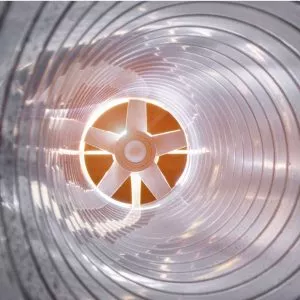
HVAC UV light bulbs prevent the accumulation of harmful microbes on internal components such as heat transfer coils which are exceptionally vulnerable to contamination due to the dark environment combined with condensation. Using HVAC UV light bulbs helps to improve the condition of mechanical components and reduce necessary maintenance by maintaining clean and disinfected parts free from microbial buildup.
HVAC UV bulbs also improve indoor air quality by disinfecting the air and inactivating mold spores that pass through HVAC ductwork. Ozone lamps in HVAC systems can also reach where direct UV exposure cannot and eliminates volatile organic compounds (VOCs) and foul odors from the air. Using UV bulbs in HVAC systems helps prevent harmful microorganisms from circulating throughout the ductwork in your home or office.
UVC Germicidal Bulbs for HVAC
HVAC UV light bulbs must be UVC germicidal bulbs to provide disinfection effectiveness. Ultraviolet light includes wavelengths in the range of 100 to 400 nm and is divided into three bands:
UVC radiation, specifically in the range of 254 nm, is proven highly effective at eradicating microorganisms quickly upon exposure by altering the DNA and preventing harmful germs from replicating. UVC radiation in this wavelength is proven to eliminate many types of harmful viruses and bacteria, including stubborn antibiotic-resistant bacteria and harmful coronaviruses, including the SARS-CoV-2 virus that causes COVID-19.
Far UVC is an even shorter wavelength in the range of 222 nm and is also effective for surface and air disinfection applications and is safer for human exposure. 254 nm lamps are used in many surface, water, and air disinfection applications, although they should not be used in direct contact with human exposure. 222 nm lamps are providing alternative solutions with effective disinfection and safer usage.
HVAC UV Bulbs Improve Indoor Air Quality
UVC lamps for HVAC systems improve indoor air quality when installed by a professional to ensure safe and effective installation. HVAC professionals have knowledge of the correct placement and direction of UV bulbs for effective disinfection, considering the humidity and temperature levels in the home. Upper-Room Ultraviolet Germicidal Irradiation (UVGI) systems are located above occupied spaces and kill airborne pathogens for cleaner, healthier air.
UVGI and Air Filtration Filters
The Centers for Disease Control and Prevention, CDC , recommends a layered approach with the proper ventilation to mitigate the spread of disease and lower exposure. Using High-Efficiency Particulate Air (HEPA) is important to trap larger particles which could shield microorganisms from UV radiation, reducing effectiveness. UVGI provide effective disinfection but should be used in conjunction with proper air filtration and cleaning measures, and they do not replace the need for HEPA filtration.
HVAC UV Light Bulb Systems
HVAC UV bulbs provide two different types of disinfection, cleaning the coils and equipment for longer-lasting, cost-efficient operation and air disinfection in HVAC ducts. UV bulbs for HVAC disinfects the air as it cycles through return ducts. Interior reflective surfaces maximize UVC light effectiveness in all directions. For disinfecting coils, UVC lamps are installed to target vulnerable components, including coils, filters, and condensation pans. UV light for HVAC systems prevents microbial growth in hard-to-reach places, including seams, grooves, and edges.
LAMP PRODUCT DATA:
UV Germicidal LampsLAMP APPLICATIONS:
UV Germicidal ApplicationsDan Spicer
Dan Spicer has been working with Light Sources Inc. since 2013. He holds an A.S. degree in Laser and Fiberoptic Technology and an A.S. degree in Electronics Engineering Technology from Three Rivers Community College. In addition, he holds a B.S. degree in Physics from Southern Connecticut State University and an MBA with a focus on Global Marketing from The University of New Haven.
Dan has authored and co-authored papers that have been published in The National Institute of Standards and Technology Journal of Research, as well as the Journal of Water Process Engineering. He currently serves on the International Ultraviolet Association’s (IUVA) Board of Directors.
This post is also available in: Chinese (Simplified)
 Spanish
 German
Click here for more information on the types of cookies we use and how to change your cookie settings. Accept
Privacy Overview
1-800-826-9465 (North America)
+44 1576 220246 (Europe Germicidal)
+36 2754 1800 (Europe Other)
+86 21 52662921 (China)